
What we’ve told the Pilkington Committee… AND WHY
The Deputy Chairman of ATV sums up in 1961


CERTAIN factors have had to be met in our proposals to the Pilkington Committee.
The first one we must face is that the people of this country have spent somewhere around about £1,000,000,000 [£19.7bn in today’s money, allowing for inflation – Ed] in buying themselves TV receivers on the 405-line standard.
The Television Advisory Committee, however, recommend that the 625-line transmission offers worthwhile improvements in quality over the present British 405-line transmission. It has other advantages too.
Therefore it seemed to ATV that we should make what contribution we could to the development of television as a whole in this country over the next ten years.
This Company has said in three Annual Reports in succession that we do not like finding ourselves occupying a monopoly position and that we would welcome competition.
So one of the things we feel is that, as there is an available channel in Band III, it should be opened up for an alternative and competitive independent television service.
Competitive Service
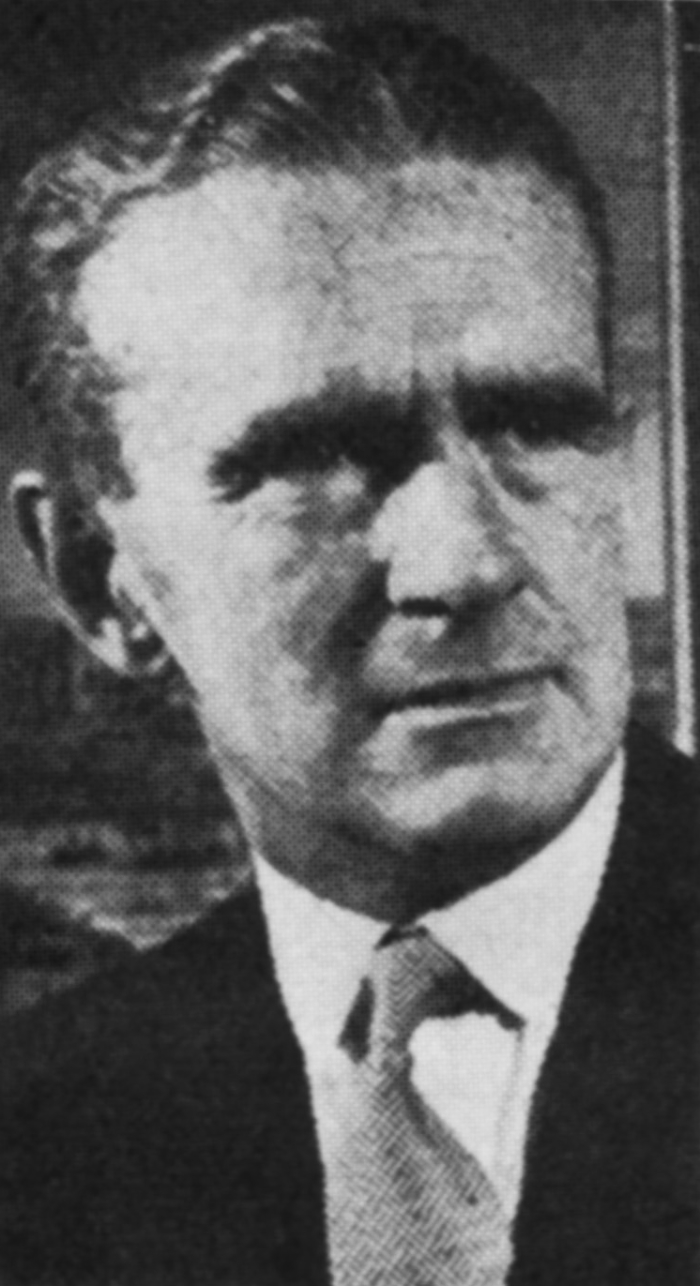
By this I mean a competitive service which is out to catch the attention of the viewer in the same area, at the same time, on the same day of the week.
Now we, as a Company, do not favour the idea that this third available channel in Band III should be given to the BBC. The BBC has already said that it would require a licence of at least £5 [£100] if it is to operate an additional service.
We see no reason why the public should pay more and we see every reason why true competition should be introduced in the independent television field.
Monopoly situation
We are perfectly prepared to face competition. But we are going a good deal further than that. Although this answers the objection to a monopoly situation, it doesn’t even begin to take care of the technical advancement to 625 lines. And unless we advance to 625 lines we shall be lagging behind the whole rest of the world.
Therefore we must find some way of taking care of this. There are two ways of doing it.
We are perfectly ready to pay the necessary costs to the ITA for a new set of 625-line transmitters in Bands IV and V to carry a 625-line service as well.
In other words:
1. ATV is ready to face competition.
2. ATV is also ready to institute a 625-line system in Bands IV and V.
That is one proposal. But we don’t by any means limit it to that.
Again we are prepared, within that four hours, to put out one hour of colour per day in Bands IV and V.
This means that, as the situation remains at this moment, ATV is openly inviting competition and we also want to get into 625 lines because the future of television in the country as a whole depends upon it.
Now let’s meet the members
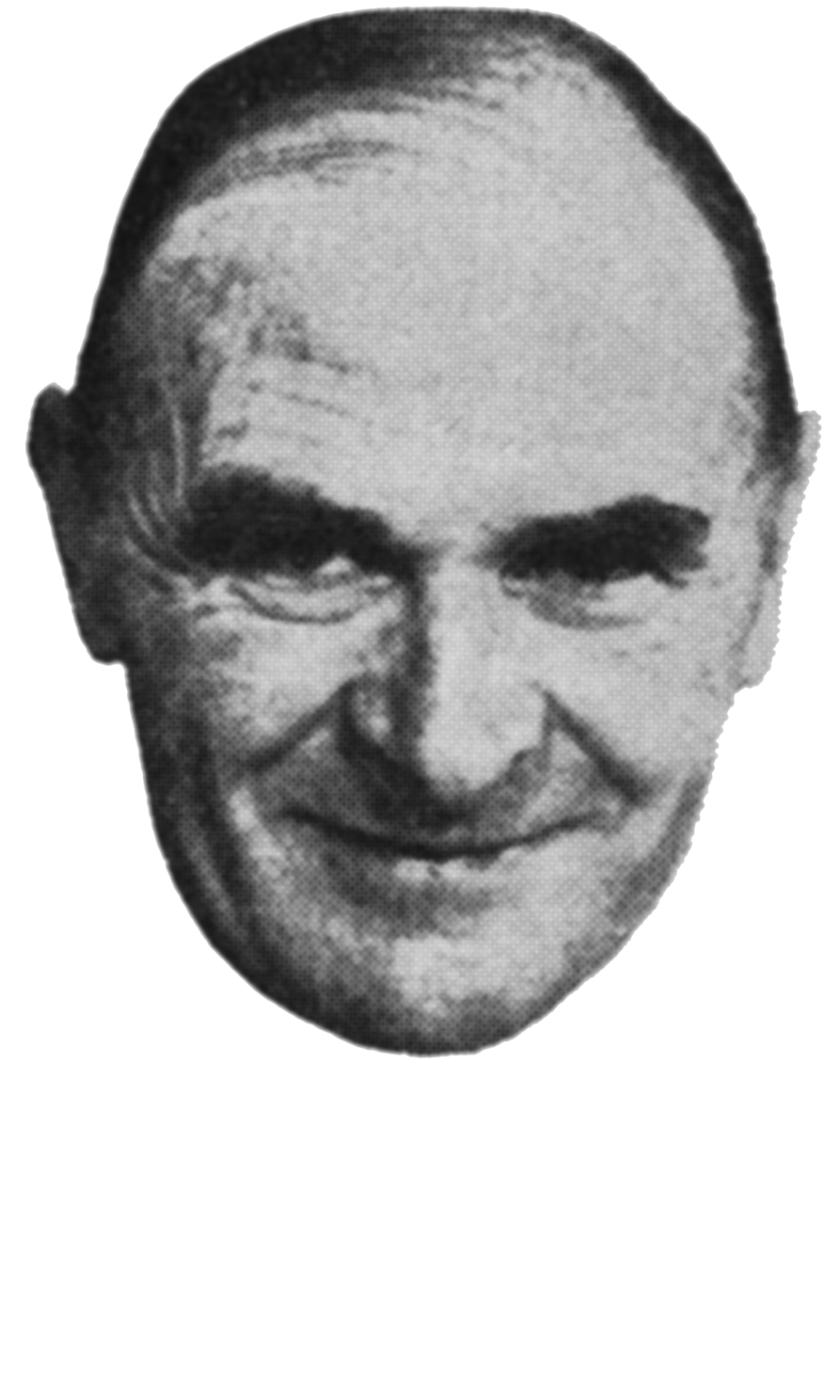
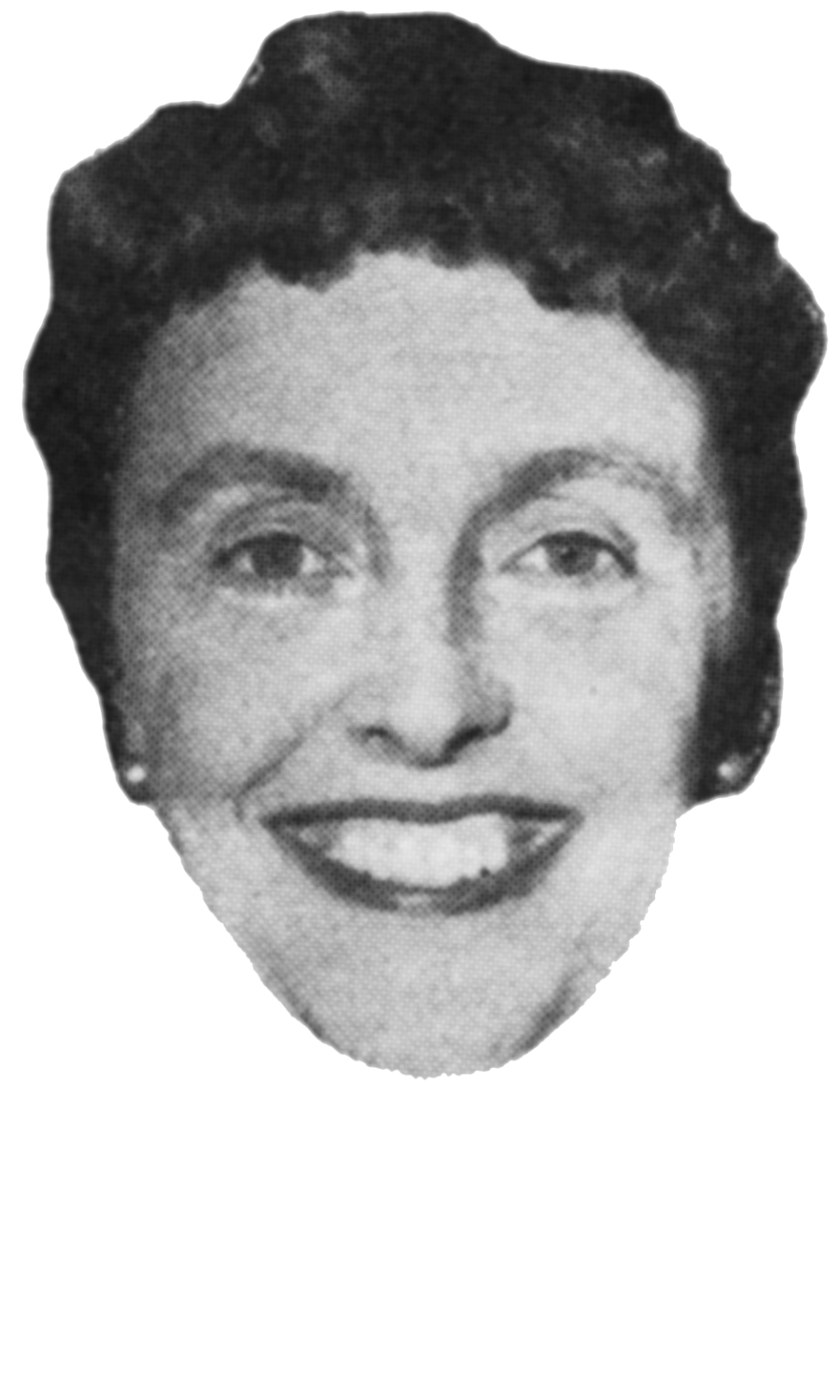
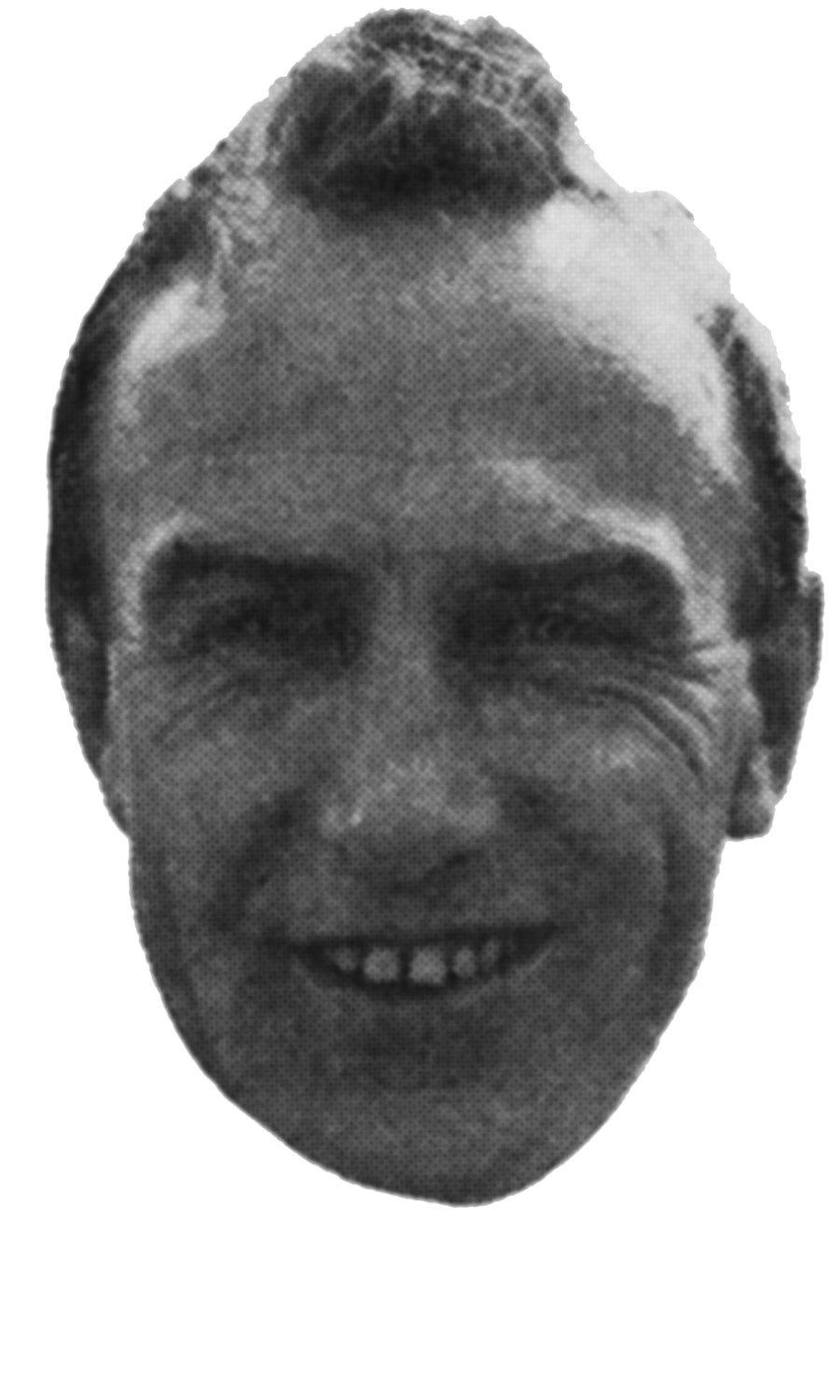
THE Pilkington Committee was set up last autumn to consider the future of radio and television in Britain.
Its terms of reference included: To advise on the services which should in future be provided in the United Kingdom by the BBC and ITA; to recommend whether additional services should be provided by any other organisation: and to propose what financial and other conditions should apply to the conduct of all these services.
The Chairman is industrialist Sir Harry Pilkington and the members include: Mr. H. Collison, General Secretary of the National Union of Agricultural Workers; Mr. Elwyn Davies, secretary of the University of Wales; actress Joyce Grenfell; Richard Hoggart, lecturer in English at Leicester University; Mr. E. P. Hudson, managing director, Scottish Agricultural Industries Ltd.; Mr. J. S. Shields, headmaster of Peter Symonds’ School, Winchester; Dr. R. L. Smith-Rose, Director of Radio Research in the Department of Scientific and Industrial Research; Mrs. Elizabeth Whitley, Vice-Chairman of the Association of Girls’ Clubs and Mixed Clubs; Billy Wright, the footballer; and Professor F. H. Newark, Professor of Jurisprudence, Queen’s University, Belfast.
About the author
Norman Richard Collins (1907–1982) established the Associated Broadcasting Development Company, which formed half of what would become ATV


